

As the crisp air of Havre, MT, starts to bite, many of us begin to feel the chill of winter. It’s a beautiful time of year, but cold weather can bring challenges not just for us but also for our vehicles. In this guide, we’ll explore how winter’s chill impacts your car and what steps you can take to ensure it runs smoothly. Whether you’re dealing with engine troubleshooting or need a thorough engine inspection, understanding these impacts is crucial.
How Cold Weather Affects Your Engine
Engine Oil Thickening
In colder temperatures, engine oil tends to thicken, which can lead to increased friction and wear on your engine. This thickened oil might not flow as easily, especially when starting the car. This can lead to more strain on your engine’s components. Think of it like trying to pour molasses on a freezing day—it moves slowly and with difficulty. In practical terms, this means that your engine has to work much harder to pump the oil where it needs to go, potentially leading to increased wear and tear.
To avoid issues related to oil thickening, consider using a winter-grade oil that is designed to remain more fluid at lower temperatures. Switching to a synthetic oil, which flows better in cold conditions, might also be a wise investment. Regularly checking your vehicle’s oil level and ensuring it’s topped up can prevent major issues.
Battery Performance
Cold weather can severely affect your car battery’s performance. The chemical reactions that generate power slow down in lower temperatures, which can make it harder for your battery to provide the necessary power to start your car. It’s not uncommon for car batteries to fail entirely during the coldest months. For instance, if your car struggles to start on a frigid morning, it’s likely because the battery’s capacity is significantly reduced.
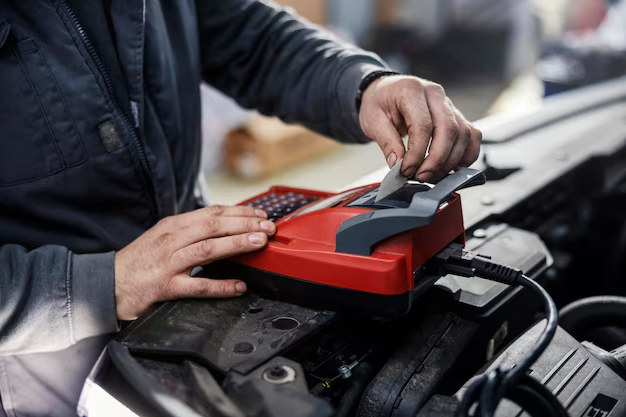
To prevent battery issues, have your battery tested before winter sets in. This can help ensure it’s in good condition and capable of holding a charge. Battery testers are relatively inexpensive and can save you from the inconvenience of being stranded. If your battery is more than three years old, consider replacing it as a precaution.
Engine Starting Issues
Starting your engine can be one of the most noticeable challenges when temperatures drop. Cold weather can make it harder for the engine to turn over. This is often due to the combination of thickened oil and reduced battery efficiency, making engine troubleshooting critical during winter. Picture yourself trying to turn a crank in freezing weather with numb fingers; it’s a slow and arduous process.
To mitigate starting problems, ensure your car’s ignition system is in top shape. Regularly check and replace spark plugs and ignition wires as needed. Additionally, using a block heater can warm up the engine before you start your car, reducing the strain on the battery and starter.
Tires and Traction
Tire Pressure Fluctuations
Cold temperatures cause the air inside your tires to contract, leading to a drop in tire pressure. Underinflated tires can reduce traction, increase wear, and even lead to tire damage. Regular checks are vital during the winter months. Imagine trying to walk on ice with flat shoes—your grip is compromised, and the risk of slipping is high.
To maintain optimal tire pressure, check your tire pressure at least once a month during winter. Most gas stations offer free or low-cost air stations, making this a simple and affordable maintenance task.
Winter Tire Recommendations
To combat the challenges of icy and snowy roads, consider switching to winter tires. These tires are designed to provide better traction under cold conditions, improving your vehicle’s grip and safety. Winter tires are made of a softer rubber compound that remains flexible in freezing temperatures, allowing them to grip the road better than all-season tires.
Fuel System and Efficiency
Fuel Vaporization
Colder temperatures can affect how fuel vaporizes in your engine. This can lead to a leaner air-fuel mixture, which might cause your engine to run less efficiently or even stall. An engine inspection can help ensure everything is in optimal condition. Think of it as trying to cook on a low flame—the process is sluggish and inconsistent.
Reduced Fuel Efficiency
Due to increased engine warm-up times and the need for additional energy to keep your car warm, fuel efficiency often decreases in winter. It’s important to be mindful of this when planning trips or long drives. For example, a 10-mile trip might consume more fuel in winter compared to summer, as your vehicle takes longer to reach optimal operating temperature.
To improve winter fuel efficiency, plan your trips to minimize idle time. Combine errands into a single trip to reduce the number of cold starts. Keeping your vehicle well-maintained, including timely oil changes and air filter replacements, can also help. Although fuel costs are variable, the savings in fuel efficiency from these practices can add up over time.
Cooling System Challenges
Antifreeze Levels
The cooling system in your vehicle relies on antifreeze to prevent the engine from freezing. It’s essential to check your antifreeze levels and ensure the mixture is appropriate for the temperatures in Havre, MT. Antifreeze not only prevents freezing but also raises the boiling point of your engine coolant, providing protection all year round.
To maintain optimal antifreeze levels, have your coolant system checked before winter. This preventative measure can save you from more costly repairs like a cracked engine block, which can occur if the engine freezes.
Radiator Functionality
Cold weather can also affect the radiator. If the coolant isn’t circulating properly, it can lead to overheating and engine damage. Regular maintenance and engine diagnostics are key to preventing these issues. Imagine trying to keep a pot of water boiling with a weak flame—it’s inefficient and unlikely to succeed.
Ensure your radiator is functioning correctly by checking for leaks and blockages. A professional inspection can identify these issues early on, preventing more severe problems.
Windshield and Visibility
Windshield Wipers
Cold can cause windshield wipers to become brittle and less effective at clearing snow and ice. Consider investing in winter wipers designed to handle freezing temperatures. These wipers are made with a rubber compound that remains flexible in the cold, ensuring effective snow and ice removal.
Regularly inspect your wipers and replace them every six months or as needed.
Defrosting Systems
Defrosting your windshield can be a slow process in the cold. Ensure your defroster is working efficiently to maintain clear visibility. This is crucial for safe driving during winter months. A well-functioning defroster is like having a clear lens on a camera—it ensures you see everything clearly and without distortion.
If you notice your defroster isn’t working as it should, have it checked by a professional. This could involve checking the heater core, blower fan, and related components. The cost for defroster repairs can range from $100 to $300, depending on the specific issue.
Electrical Systems
Lighting Systems
Cold weather can impact the electrical systems in your car, including your lights. Check that all lights are functioning properly to ensure visibility and safety on darker winter days. Imagine trying to navigate a dimly lit room—your risk of stumbling is much higher without adequate lighting.
Regularly inspect your vehicle’s lights and replace any burnt-out bulbs promptly. Consider using LED bulbs, which perform better in cold conditions and last longer. The cost of replacing bulbs can vary, but it’s generally a low-cost maintenance task, often under $50.
Electrical Diagnostics
If you notice issues with your vehicle’s electrical systems, such as dimming lights or slow power windows, it might be time for a professional engine inspection or engine diagnostics to catch any underlying problems. Electrical issues can be like a loose connection in a circuit—intermittent and often hard to pin down.
Having a professional diagnostic test can identify problems before they escalate. The cost of an electrical diagnostic typically ranges from $80 to $120, and it can prevent more extensive and costly repairs down the line.
Preparing Your Vehicle for Cold Weather
Routine Maintenance
Regular maintenance can prevent many cold-weather issues. This includes oil changes, battery checks, tire inspections, and ensuring your heating system is working properly. Think of it as a holistic approach to vehicle health—each component works together to ensure smooth and safe operation.
Emergency Kits
Prepare for the unexpected by packing an emergency kit in your car. Include items like blankets, a first-aid kit, jumper cables, and a flashlight. Being prepared can make all the difference in a winter emergency. Imagine being stranded without these essentials; it’s a situation no one wants to face.
Professional Inspections
Consider having a professional inspection at Nate’s Gona Fix It. We can help identify potential issues before they become serious problems. An engine inspection can save you time and money in the long run. Think of it as a health check-up for your car, ensuring everything is in working order before winter’s worst hits.
Winter in Havre, MT, is a beautiful time, but it brings unique challenges for vehicle owners. By understanding how cold weather affects your car, you can take proactive steps to keep it running smoothly.
From engine troubleshooting to routine maintenance, ensuring your vehicle is ready for winter is essential. If you need help preparing your car for the cold, contact Nate’s Gona Fix It today. Our team is ready to assist you with all your automotive needs, ensuring your vehicle is in peak condition no matter the weather.