
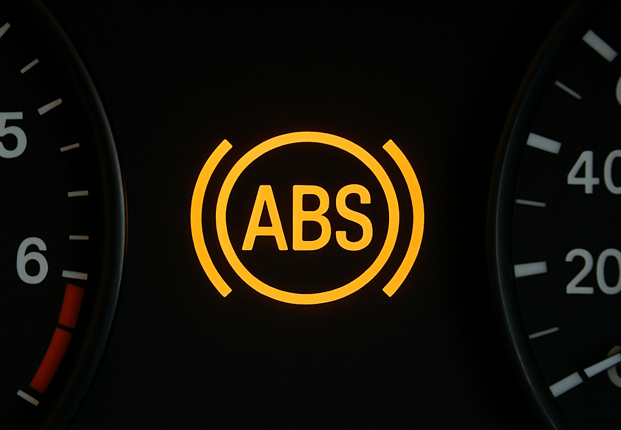
Let’s be honest, most of us don’t think much about our brake system until something starts squeaking, grinding, or flashing on the dashboard. But when it comes to your car’s safety features, the anti-lock braking system (ABS) is one of the most important. It’s that behind-the-scenes hero that kicks in during emergencies, helping you stay in control and avoid skidding, especially in slippery conditions.
In this post, we’re going to break down (pun intended) what ABS is, how it works, and why it’s essential for brake efficiency and overall road safety. Whether you’re a seasoned driver or someone who still Googles “What does that brake warning light mean?”- we’ve got you!
What is ABS (Anti-Lock Braking System)
ABS stands for Anti-Lock Braking System, and it’s a modern safety feature found in almost every vehicle on the road today. The system prevents your wheels from locking up when you slam the brakes suddenly, especially in wet or icy conditions.
Here’s the deal: when your wheels lock up during hard braking, your tires can lose traction and start to skid. That’s dangerous because skidding means you can’t steer properly. ABS steps in and pulses the brakes automatically, giving you more control while bringing your car to a stop. Think of it like tapping the brakes quickly, only way faster and smarter than any human can do.
How Does ABS Work?
Let’s keep this simple. The ABS is made up of:
- Speed sensors on each wheel
- Electronic control unit (ECU)
- Hydraulic valves
- A pump
When you press hard on the brake pedal, the ECU checks the speed of each wheel. If it detects that one or more wheels are about to lock up, it signals the valves to reduce the brake pressure slightly. Then the pump restores that pressure almost immediately. This process happens in milliseconds, way faster than our brains can react. If you’ve ever felt a strange pulsating sensation in your brake pedal during a sudden stop, that’s ABS doing its thing. It’s not a fault, it’s a feature!
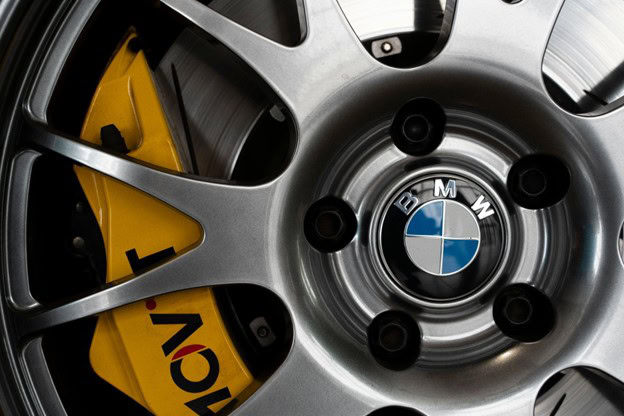
Why ABS Matters for Brake Efficiency and Road Safety
Now let’s talk about why this system is a game-changer for brake efficiency.
- Improved Steering Control
Traditional brakes can lock your wheels, making it almost impossible to steer when stopping quickly. ABS prevents that by letting you brake and steer at the same time.
- Shorter Stopping Distance (Sometimes)
ABS doesn’t always guarantee a shorter stop, especially on loose gravel or snow, but in most paved road conditions, it helps your vehicle stop more efficiently. The keyword here? Control.
- Better Handling in Bad Weather
Rain, snow, and ice can reduce your tire’s grip on the road. ABS minimizes your chances of skidding or spinning out when you brake suddenly in poor conditions.
- Reduced Tire Wear
Consistent, controlled braking helps distribute wear evenly across all four tires, saving you money on replacements in the long run.
Signs Your ABS (or Overall Brake System) Might Need Repairs
Even though ABS is generally low maintenance, it’s still a part of your brake system and like all car parts, it can wear down over time. Here’s what to watch out for:
ABS Warning Light
If your dashboard is flashing that ABS light, it means the system has detected a fault. It could be a sensor issue, a blown fuse, or something more complex.
Unusual Brake Pedal Behavior
If your pedal feels extra hard, soft, or vibrates unusually (and it’s not the ABS pulsing), something’s off.
Longer Stopping Times
If your car is taking more distance to come to a stop, you might need brake repairs. It could be the ABS, your brake pads, or something deeper in the system.
Brake System Maintenance Tips
Here are a few things you can do to keep your brake system healthy and your ABS working like a champ:
- Get regular brake inspections – at least once a year or every 12,000 miles.
- Check brake fluid levels – low or dirty brake fluid can affect ABS performance.
- Listen for strange noises – squealing, grinding, or clicking sounds are never a good sign.
- Don’t ignore dashboard lights – ABS and brake warning lights are your car’s way of screaming for help.
Common ABS Myths
Let’s clear up a few common misconceptions.
- ABS guarantees shorter stops in every condition.
Not true. In some cases, like gravel or snow, you can stop faster without ABS. But ABS always gives you more control. - If the ABS light is on, it’s safe to ignore.
Wrong. If the ABS light is on, the system may not function in an emergency. You’re not in danger immediately, but don’t wait too long. - Pulsating brakes mean something is broken.
Nope. That pulsing sensation during hard braking is the ABS doing its job.
Trust Nate’s Gona Fix It With Your Brakes
When it comes to something as critical as your brake system, you don’t want to leave anything to chance. That’s where Nate’s Gona Fix It stands out. With over 24 years of hands-on experience, ASE-certified technicians, and a reputation built on honesty and hard work, our team doesn’t just repair vehicles; we build relationships based on trust, transparency, and top-quality care.
Founded by Nate, a proud Marine Corps veteran, our family-owned shop blends precision with passion. We offer a wide range of services, from brake repairs to comprehensive engine diagnostics, all backed by competitive pricing and a 98% customer satisfaction rate. Whether you’re dealing with ABS issues, strange noises, or just need a routine check-up, we’ve got your back and your brakes.
So if you’re in Kamloops and want brake efficiency, schedule an appointment or bring your car to us!