
A dead battery is one of the most common reasons drivers find themselves stranded, often at the worst possible time. Whether you’re heading to work on a frigid Havre morning or planning a family road trip across Montana, a healthy car battery can make all the difference. At Nate’s Gona Fix It, we’ve helped countless drivers get back on the road with trusted battery repair services, and we know that simple habits can dramatically improve your battery’s longevity.
Want to get the most out of your car battery? Here’s everything you need to know.
Why Car Battery Life Matters
Most modern car batteries are designed to last between three to five years, but that lifespan can vary depending on how the vehicle is driven, local climate conditions, and how well the battery is maintained. If your battery dies early, it’s not just an inconvenience—it can also lead to other electrical issues or even damage your alternator over time.
A healthy battery ensures your car starts reliably, powers accessories like lights and the radio, and keeps systems like your fuel injection and anti-theft running properly. So, maintaining battery life isn’t just about avoiding a jump-start; it’s essential for the health of your entire vehicle.
1. Keep Battery Terminals Clean and Corrosion-Free
One of the simplest ways to extend battery life is by keeping the terminals clean. Corrosion buildup—a white, ashy substance—can interfere with the electrical connection between the battery and your vehicle.
To clean your battery terminals:
- Turn off the engine and wear gloves.
- Disconnect the negative terminal first, then the positive.
- Use a battery terminal brush and a mixture of baking soda and water to scrub away corrosion.
- Rinse with water and dry thoroughly.
- Reconnect the terminals, starting with the positive side.
Regularly checking and cleaning the terminals (once every few months) can help prevent voltage drops and improve overall battery health.
2. Drive Your Car Regularly—or Use a Trickle Charger
Batteries charge while you drive. If your car sits unused for days or weeks at a time, especially in colder climates like Havre, MT, the battery can slowly discharge and weaken.
If you’re not driving often:
- Aim to take your car out for at least 15–30 minutes once or twice a week.
- Alternatively, invest in a trickle charger to keep the battery charged without overloading it.
This is especially important for drivers with seasonal vehicles or those working from home more frequently.
3. Avoid Short Trips When Possible
Frequent short drives can be surprisingly tough on your battery. That’s because it takes a few minutes of running time for your alternator to recharge the energy used during start-up. If you’re only driving a mile or two at a time, your battery may not have a chance to fully recover.
Whenever you can, combine errands into a longer drive. Not only does this help maintain your battery’s charge, but it’s better for your engine and fuel economy as well.
4. Don’t Overload the Electrical System
Modern vehicles are packed with tech—heated seats, infotainment systems, GPS, dashcams, and phone chargers all add strain to your battery. Leaving electronics plugged in when the engine is off can quickly drain your battery’s reserve power.
Simple habits to reduce electrical load:
- Turn off headlights and cabin lights when exiting the vehicle.
- Unplug accessories when not in use.
- Don’t leave the ignition on without starting the engine for extended periods.
Being mindful of your vehicle’s electrical use can prevent premature battery failure and improve overall battery health.
5. Check Your Battery’s Charge Level
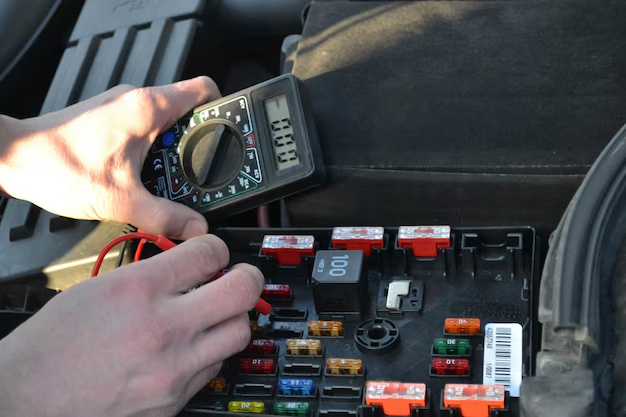
Just like you check your oil and tire pressure, checking your battery’s voltage should be part of routine maintenance. You can use a digital multimeter to test the voltage at home:
- A fully charged battery should read between 6 to 12.8 volts.
- If the reading is between 2 and 12.5 volts, the battery is moderately charged.
- Anything below 12 volts may indicate the battery is weak or discharged.
If you don’t have a multimeter, stop by Nate’s Gona Fix It for a quick battery check. Our ASE-certified technicians can assess your battery health and recommend next steps.
6. Inspect for Swelling or Leaks
A swollen battery case or fluid leaks are signs that your battery may be overheating or overcharging—both of which can shorten its life. This is often caused by a malfunctioning alternator or prolonged exposure to extreme heat.
If you notice:
- A bulging battery case
- Unusual odors (like rotten eggs)
- Wetness around the terminals
…it’s time to schedule a visit. Driving with a compromised battery isn’t safe and can lead to sudden vehicle failure.
7. Secure Your Battery Properly
A battery that shifts around while you drive is more likely to suffer from internal damage due to vibration. This internal damage can reduce capacity or cause short circuits.
Every time your vehicle is serviced—or at least during oil changes—ask your mechanic to ensure the battery is securely mounted. This is a quick fix that can save you from a costly battery replacement later on.
8. Protect Your Battery from Extreme Temperatures
Montana drivers are no strangers to bitter cold winters and hot summers. Unfortunately, both extremes can take a toll on your battery.
- In the cold, battery capacity drops, making it harder for your car to start.
- In the heat, battery fluid evaporates faster, which can damage internal components.
To help:
- Park in a garage when possible.
- Use a battery insulation kit if your vehicle is exposed to long periods of extreme cold.
- Have your battery tested seasonally—especially before winter.
At Nate’s Gona Fix It, we know just how fast a Montana freeze can drain a battery. That’s why we include battery health checks in our seasonal maintenance services.
9. Replace Your Battery Before It Dies Completely
Most drivers wait until their battery fails completely before replacing it. But waiting until you’re stranded in a parking lot—or worse, stuck on a snowy backroad—can be a real hassle.
Signs your battery is on its last leg:
- Engine cranks slowly when starting
- Dim headlights or dashboard lights
- Clicking sound when turning the key
- Frequent jump-starts needed
- Battery age over 3 years
If you notice any of these warning signs, it’s time to stop by the shop. Nate’s Gona Fix It offers professional battery repair services and can recommend the right replacement for your vehicle. Better to swap it out a few weeks early than wait until it quits on you entirely.
Keep Your Car—and Your Peace of Mind—Running Strong
Maintaining your battery might not seem like a big deal—until the day it fails. At Nate’s Gona Fix It, we’ve helped hundreds of drivers in Havre, MT, avoid battery troubles with routine maintenance, quick diagnostics, and expert repairs.
Whether you need a simple battery check, a secure installation, or a full electrical diagnostic, we’ve got your back. Our team of ASE-certified professionals takes pride in offering reliable, friendly service backed by a nationwide warranty through TechNet. Because when it comes to your car’s reliability, you deserve peace of mind that goes beyond just turning the key.
Don’t wait for your battery to die at the worst possible moment. Call Nate’s Gona Fix It today or schedule a visit online—and let us help you keep your vehicle starting strong, every time.