

It’s summertime. You know what that means- it’s time for a road trip!
To make sure your trip goes as smoothly as possible, it’s important to make sure your car is in excellent shape. A breakdown on the road, miles away from home, may ruin your trip. According to the American Automobile Association, your vehicle is twice as likely to get stranded on the road if it is 10 years or older. This means people with older cars need to be extra careful. However, newer vehicles are also recommended to perform routine car standard maintenance tasks to ensure the vehicle is ready to travel long distances.
This article will provide you with the perfect auto care tips to prepare your vehicle for a road trip.
Essential Road Trip Standard Maintenance Tips
Before embarking on an excursion, it is recommended to perform a check of all essential parts of a vehicle. When these key systems are working well, the chances of a serious breakdown are greatly reduced. The top six types of vehicle issues that could derail a road trip are:
1. Battery:
A battery usually does not give a warning before dying. Perform a battery test before a road trip to check the battery health. This includes checking the electrical systems, such as starters and alternators. Furthermore, make sure the cables and terminals are secure and the connections are corrosion-free. If there is corrosion, then the connections must be cleaned with a wire brush or cleaning tool. If your battery has removable caps, then check the water level and refill with distilled water if the level is low.
Battery problems are some of the most common ones faced on the road. It is vital to get a proper inspection before your road trip, particularly if your battery is 2 or more years old.
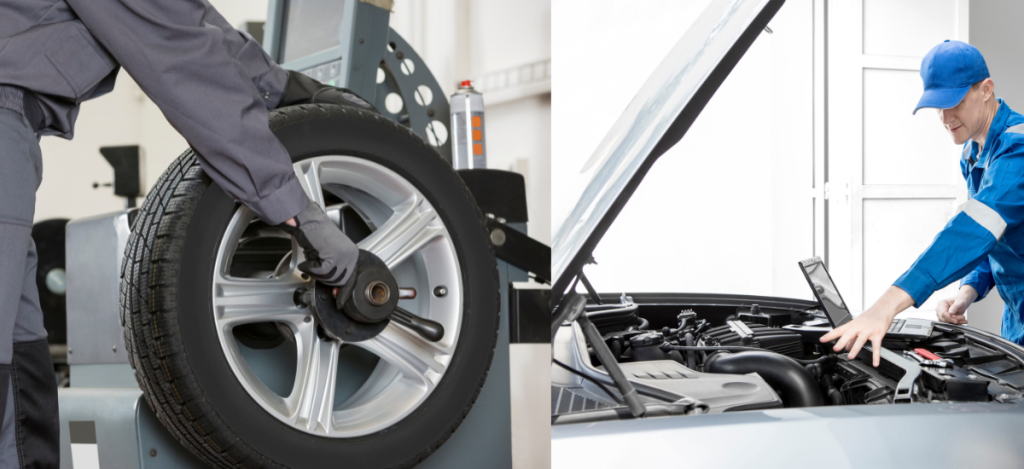
2. Tires:
As expected, tire health is extremely crucial for safety and fuel efficiency. Getting a flat tire is one of the most common problems faced on the road. To prevent a major breakdown, ask a trained technician to inspect your tires and your spare.
Air Pressure:
Check your tires’ air pressure before you leave, making sure the tires are not over or under-inflated. Wrong air pressure can cause uneven wear on your tires, leading to a bumpy ride, overheating or a tire blowout.
Just checking your tire pressure before you leave is not enough. As you travel, stop to check the air pressure roughly every 1,000 miles. Temperature change also affects the air pressure of the tires so watch out for varying temperatures.
Tire Rotation:
Your technician should check if your tire tread is in good condition. Furthermore, the tire wear patterns should be even. This is important otherwise you may risk difficulty in handling your car on the road.
Different road conditions can make tires wear at different rates. Hence, you should rotate your tires periodically after every 5000 to 8000 miles. You can do this by swapping tires from right to left or front to rear. If you notice uneven tire wear from any one side, your tires need to be rotated.
3. Oil:
Oil plays a vital role in a car’s performance by lubricating moving components (such as pistons, crankshaft, and camshaft) and preventing overheating. If the oil is black or below the minimum fill line, the oil needs to be replaced. The typical recommendation is to change the oil every 5000 miles. But even if you’re on the trip, you should keep checking the oil levels at different intervals.
Other fluids such as Radiator Fluid, Brake Fluid, Power Steering fluid, Transmission, and Windshield fluid typically need to be changed less than engine oil. However, your technician should check the levels of all these fluids to ensure your car is in optimal condition before you hit the road.
4. Steering and Suspension:
If you want to ensure a smooth ride, make sure to get your steering and suspension systems examined by a professional. Any damaged parts such as shocks or struts, mounts or bushings or loose steering parts will make for a very bumpy ride. You do not want your vehicle to be swaying more than usual or to feel the bumps on the road over such a long distance.
5. Brake Pads:
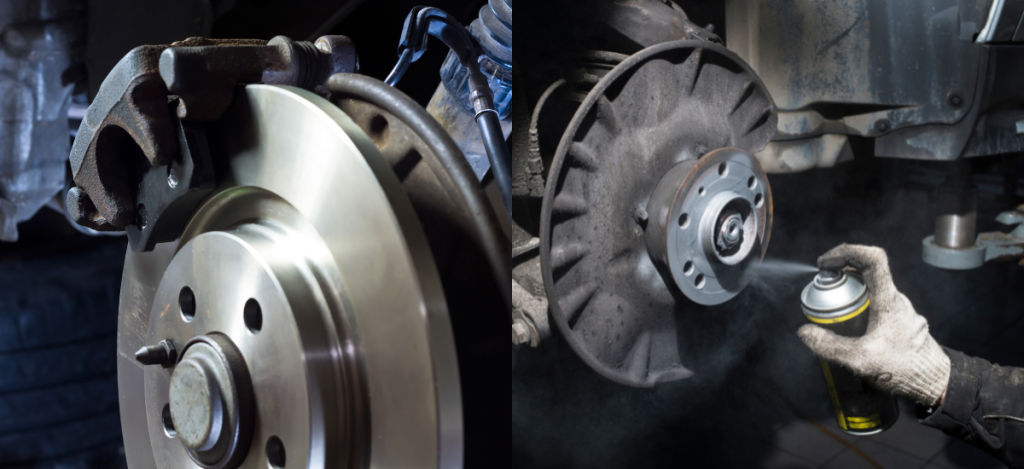
Brake pads are essential in a vehicle to create the friction required to slow and stop your vehicle. They wear away with time, becoming ineffective with use. On a road trip, having effective brake pads is incredibly important, especially for rough terrains and busy roads. You can tell the brake pads are too thin when your car makes screeching sounds. Your technician should inspect the brake pads during the maintenance check and replace them if needed.
6. Lights and Visibility:
Ensure all your headlights, taillights, brake lights, and turn signals are functioning properly. Dim or malfunctioning lights pose a safety hazard, so replace them if needed.
Apart from getting standard maintenance services of your vehicle, you should also pack a roadside emergency kit. Keep essentials like jumper cables, a flashlight, a spare tire, flares, a first-aid kit, and basic tools.
Where to get your car ready for a road trip in Havre, MT?
Before hitting the road, it is important to get your car checked by a reliable auto repair shop. You definitely do not want to compromise on quality when it comes to long distances! The best place for your vehicle’s maintenance services in Havre, MT is Nate’s Gonna Repair. With ASE-Certifications and 100% quality guarantee for every service, they will ensure your car is in optimal condition for your summer road trip!
To book an appointment, call now at +1 (406) 945 9050!